Whether you’re adding a first-floor walkout platform or enclosing an existing structure, an external glass balcony is one of the most impactful upgrades you can make to a home or commercial property — and Clearglass (Cambridge) Ltd has been delivering them across Cambridgeshire to the highest standard. Along with a range of other glass services, making Clearglass the clear choice for a range of glass projects.
What Is an External Glass Balcony?
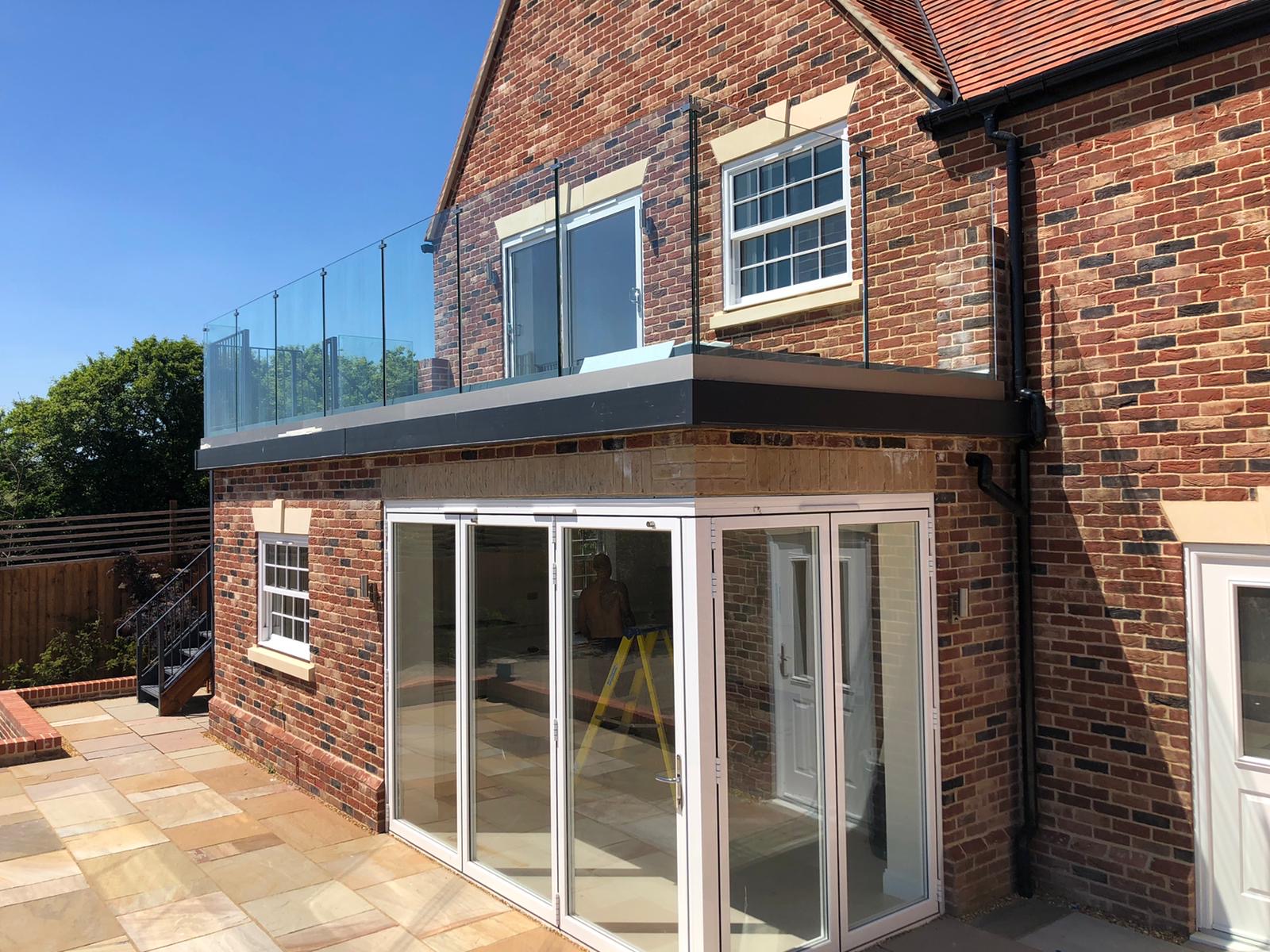
An external glass balcony is an outdoor platform — typically at first-floor level or higher — enclosed or guarded by toughened glass panels rather than traditional timber, wrought iron, or steel railings. The result is a structure that feels open, modern, and virtually frameless, allowing unobstructed sightlines to the garden, countryside, or street beyond.
Unlike Juliet balconies, which sit flush to the wall with no usable floor space, a full external balcony offers a genuine outdoor area: a place to sit with a morning coffee, dry herbs in the afternoon sun, or simply enjoy the elevated perspective your property commands.
Why Choose Glass Over Traditional Materials?
Homeowners have long had access to timber-framed, steel, or wrought iron balcony balustrades, but glass has moved decisively ahead of these options for several compelling reasons.
Unobstructed views
Toughened glass preserves every inch of your outlook — something solid panels or bars simply cannot match.
Low maintenance
No painting, treating, or rust prevention needed. A periodic clean keeps glass looking showroom-fresh for decades.
Exceptional durability
Toughened and laminated safety glass is engineered to withstand severe weather, UV exposure, and daily use.
Added property value
Estate agents consistently report that quality glass balconies increase kerb appeal and can meaningfully lift asking prices.
Versatile design
Glass integrates with period architecture, new builds, rendered properties, and brick alike — it doesn’t impose a single style.
More natural light
Without an opaque barrier, light bounces freely into adjacent rooms, reducing reliance on artificial lighting.
The Glass Clearglass (Cambridge) Ltd Uses For An External Glass Balcony
Not all balcony glass is created equal. At Clearglass, every external balcony installation uses either toughened glass or toughened laminated glass — two of the safest, most resilient glazing options available for structural outdoor applications.
Toughened glass
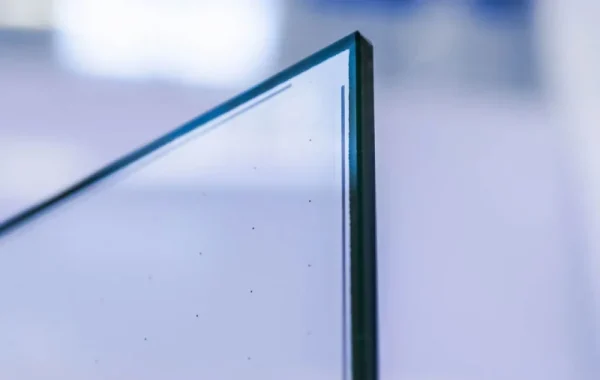
Heat-treated to be approximately four to five times stronger than standard float glass, toughened glass is the baseline for all structural balcony installations. Should it ever be broken — through an exceptional impact — it fractures into small, relatively harmless granules rather than dangerous shards, making it the correct choice for elevated outdoor environments where safety is non-negotiable.
Toughened laminated glass
Where the highest level of safety and sound insulation is required, Clearglass specifies toughened laminated glass: two or more panes of toughened glass bonded together with a polyvinyl butyral (PVB) interlayer. If broken, the interlayer holds the fragments in place, preventing any glass from falling and providing an additional layer of protection — particularly important for balconies above ground level.
Premium fixings and structural systems
The glass itself is only part of the story. Clearglass uses premium fixings and proprietary balcony systems throughout, ensuring that every panel is securely anchored to the supporting structure and compliant with current building regulations. The result is a an external glass balcony that feels as solid underfoot as any traditional construction.
External Glass Balcony Design Options
One of the most common concerns homeowners raise is whether a external glass balcony will suit their property’s existing character. The answer, almost universally, is yes — and here’s why.
Clearglass offers a versatile range of design options that can be tailored to virtually any architectural style or budget. From fully frameless systems, where glass panels appear to float without visible supporting posts, to semi-frameless options with slimline aluminium or steel posts, the team will advise on the configuration that best suits your property’s structure and your personal aesthetic preferences.
- Frameless glass balconies — Maximum visual openness; glass panels fixed using base channels or point-fixed bolts with no uprights interrupting the view.
- Post-and-panel systems — Slimline aluminium or steel posts support glass infill panels; cost-effective and suitable for longer spans.
- Juliet balcony upgrades — Already have a Juliet balcony opening? Clearglass can assess whether a full external platform can be added to maximise your existing aperture.
- Bespoke configurations — Curved elevations, corner balconies, and irregular footprints are all achievable; the Clearglass team will survey and design accordingly.
Planning Permission: What You Need to Know
Whether your external glass balcony requires planning permission depends on several factors: the type of property you own, whether it is listed or sits within a conservation area, and the balcony’s exact size and position relative to the building.
As a general guide, adding a new balcony to a house (rather than a flat) may fall under permitted development rights if it does not overlook neighbouring properties and meets specific size criteria. However, rules vary significantly by local authority, and any changes to a listed building or property within a conservation area will almost certainly require consent from South Cambridgeshire District Council or Cambridge City Council.
Clearglass strongly recommends consulting your local planning authority or a qualified architect before proceeding, and the team is experienced in helping customers understand the documentation and structural requirements that a successful application will need.
The Clearglass Installation Process
From the moment you make your first enquiry, the Clearglass approach is built around understanding your specific requirements before any design work begins. The process typically runs as follows:
- Free consultation and no-obligation quote — You describe your vision; the team listens carefully and asks the right questions to scope the project accurately.
- Site survey — A Clearglass specialist visits the property to take precise measurements, assess the supporting structure, and identify any site-specific considerations- working with your architect and/or surveyor if relevant.
- Custom design — A bespoke design is produced to your exact specification, taking account of the survey findings and your aesthetic preferences.
- Installation — Carried out to the same high standards as the design phase, with minimum disruption to your property and a thorough clean-up on completion.
- Aftercare — Clearglass is readily contactable after installation should you have any questions about care, maintenance, or future modifications.
External Glass Balcony for Commercial Properties
The benefits of a glass balcony extend well beyond residential settings. Hotels, restaurants, offices, and apartment developments in Cambridge and across Cambridgeshire have all benefited from Clearglass installations that combine elegance with the structural rigour demanded by commercial environments.
For hospitality and leisure venues in particular, an external glass balcony can become a defining feature — a terrace that attracts footfall, appears prominently in marketing photography, and justifies premium pricing for the rooms or dining experiences it serves.
Frequently Asked Questions
How long does a glass balcony installation take?
Most residential external glass balcony installations are completed within one to three days, depending on the size of the structure and the complexity of the fixings. The Clearglass team will give you a realistic timeframe during the consultation stage.
How do I clean and maintain a glass balcony?
Toughened and laminated glass requires very little maintenance. A periodic wash with warm soapy water and a squeegee is usually sufficient. Avoid abrasive cleaners that could scratch the surface. The fixings and structural elements should be inspected annually for any signs of movement or corrosion.
Is toughened glass genuinely safe for a balcony?
Yes. Toughened safety glass — and especially toughened laminated glass — is specified precisely because of its strength and its safe-failure behaviour. Both products are used routinely in commercial and public buildings worldwide, and they meet the relevant British and European safety standards for structural glazing.
Can a glass balcony be added to an older or listed property?
It is possible in many cases, though listed buildings and conservation area properties will require consent from the relevant local authority. Clearglass has experience working with older building stock and can advise on appropriate systems that respect the character of the existing structure.
Do you cover areas outside Cambridge?
Clearglass serves clients throughout Cambridgeshire and the surrounding region such as Ely, Newmarket and Huntingdon . Call the team on 01223 211 888 to confirm coverage for your postcode.
How much does an external glass balcony cost?
Costs vary according to the size, design, glass specification, and structural requirements of your project. Clearglass offers free, no-obligation quotations — the most accurate way to understand the investment your specific project will require.
Ready to Add an External Glass Balcony to Your Property?
Whether you have a clear vision already or are simply exploring the possibilities, the Clearglass team is ready to help. With decades of glazing expertise, a commitment to using only premium materials, and a track record of installations across Cambridge and Cambridgeshire, there is no better local partner for your glass balcony project.
Get Your Free, No-Obligation Quote
Speak to the Clearglass team today — the more detail you can share about your project, the more accurate and useful their guidance will be.
Mon–Fri 7:30am–4:30pm · Unit M Broad Lane Industrial Estate, Cottenham, Cambridge CB24 8SW