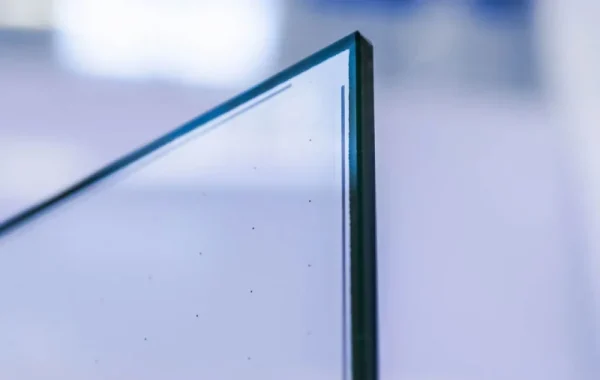

One of the biggest reasons homeowners choose glass splashbacks is how easy they are to maintain compared to grouted tiles. But ‘easy’ doesn’t mean ‘any cleaner, anyway’. Here’s exactly how to clean a glass splashback to ensure it stays looking showroom-fresh, whether you’re in a Cambridge terrace or a Huntingdon new build.
Clean a Glass Splashback Everyday
For daily maintenance after cooking, a damp microfibre cloth is all you need. Wipe down the panel while it’s still warm (but not burning hot) to remove grease and food splashes before they dry. If you prefer to use a cleaner, our glass cleaner or a mild washing-up liquid diluted in water works perfectly.
Dealing with Stubborn Grease
For dried-on grease or cooked-on splashes, spray the area with a standard kitchen degreaser, leave for 60 seconds, then wipe away with a microfibre cloth. Avoid abrasive scourers, which can scratch the surface over time.
Removing Streaks and Smears
Streaks are usually caused by cleaning product residue. After cleaning, follow up with a dry microfibre cloth or a glass-specific spray and buff to a clear finish. White vinegar diluted with water also works brilliantly as a streak-free finishing spray.
What to Avoid When you Clean a Glass Splashback
- Abrasive cleaners or scouring pads — these will scratch the surface
- Bleach-based cleaners — these can affect the painted backing over time
- Steam cleaners held directly against the glass — thermal shock risk
- Sharp implements for scraping — use a plastic scraper only if needed
Protecting the Edges
The edges of glass splashbacks are typically polished and sealed, but it’s worth keeping the seal line (where glass meets wall or worktop) clean and dry. If you notice the sealant discolouring or lifting, it’s straightforward to re-seal with a kitchen-grade silicone sealant.
How Long Should a Glass Splashback Stay Looking Good?
With basic care, a quality glass splashback should look excellent for 10–20 years or more. The glass itself doesn’t deteriorate — what ages is typically the painted backing behind, and only if it’s exposed to moisture (usually from failed edge sealing). Quality installation and occasional edge maintenance prevent this entirely, checking when you clean a glass splashback is recommended.
Ready to transform your kitchen in Cambridge, Newmarket, Ely or Huntingdon? Contact Clearglass today for a free, no-obligation quote. Visit clearglass.org.uk or call us to speak with a local glass specialist.