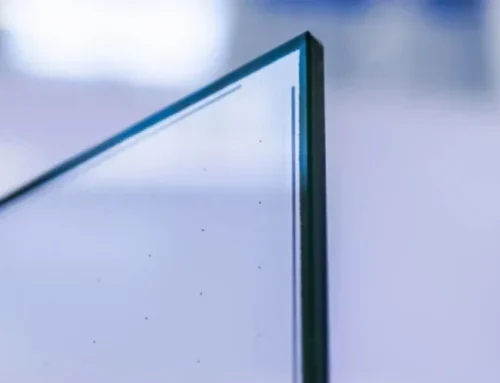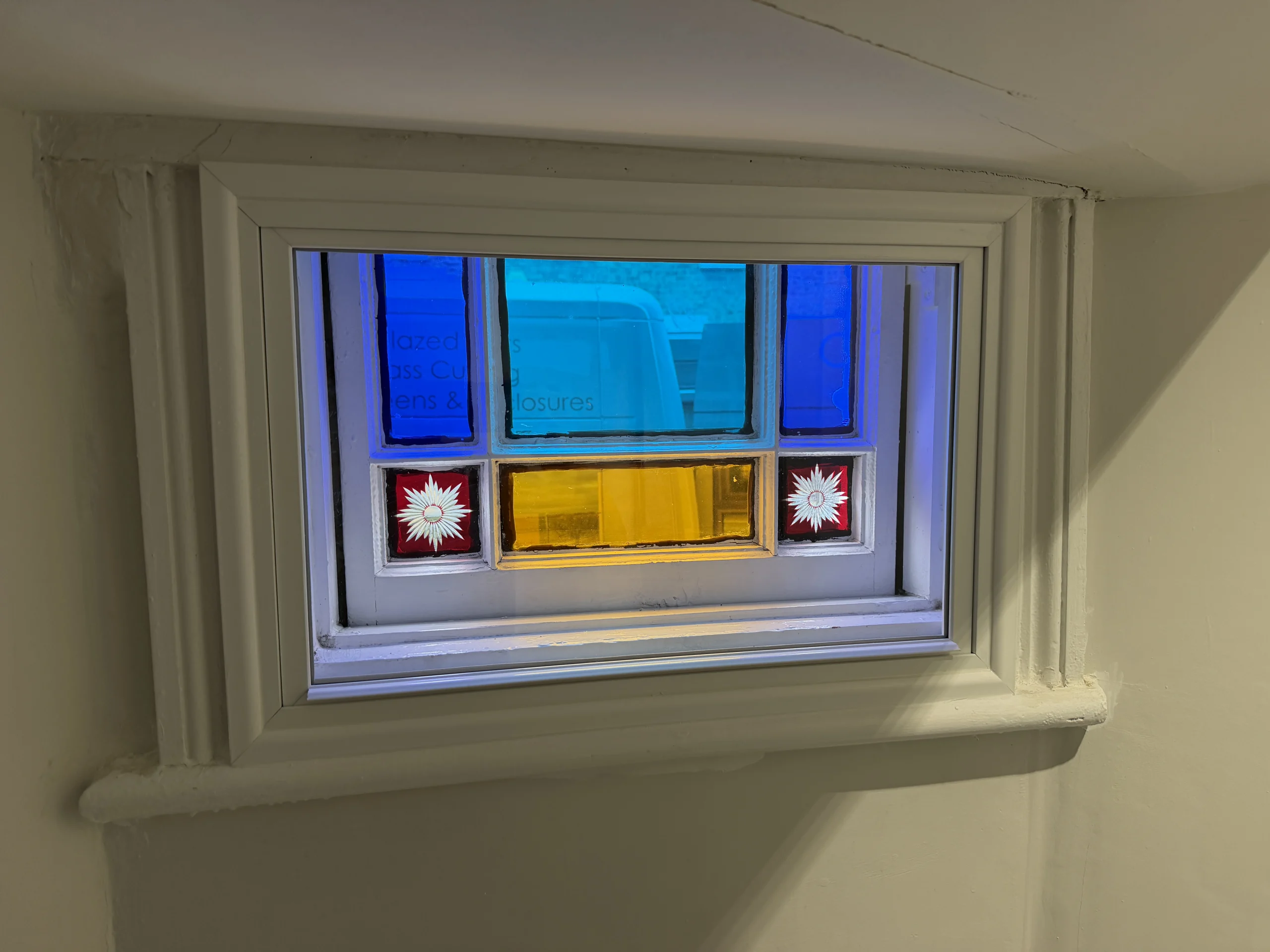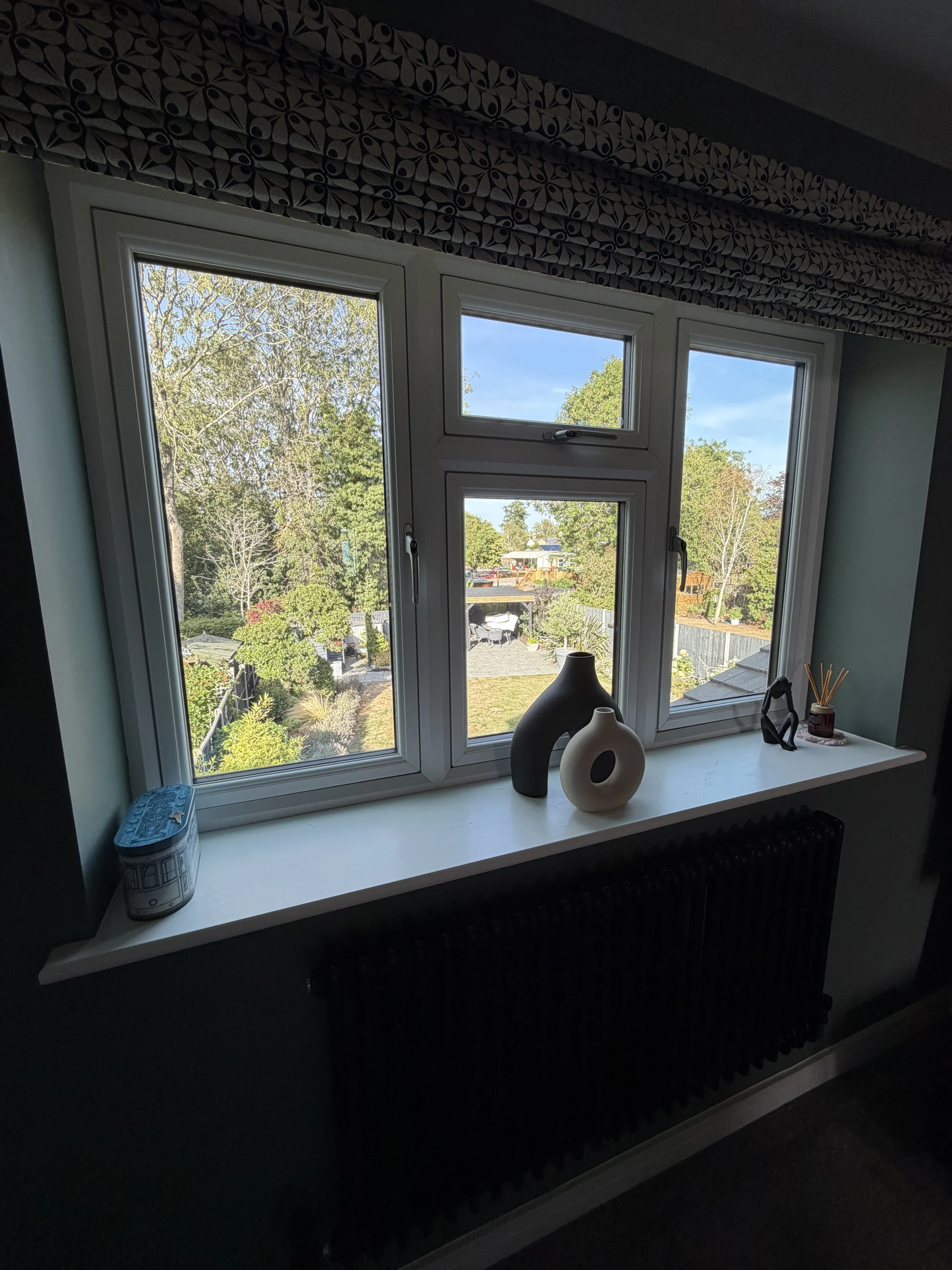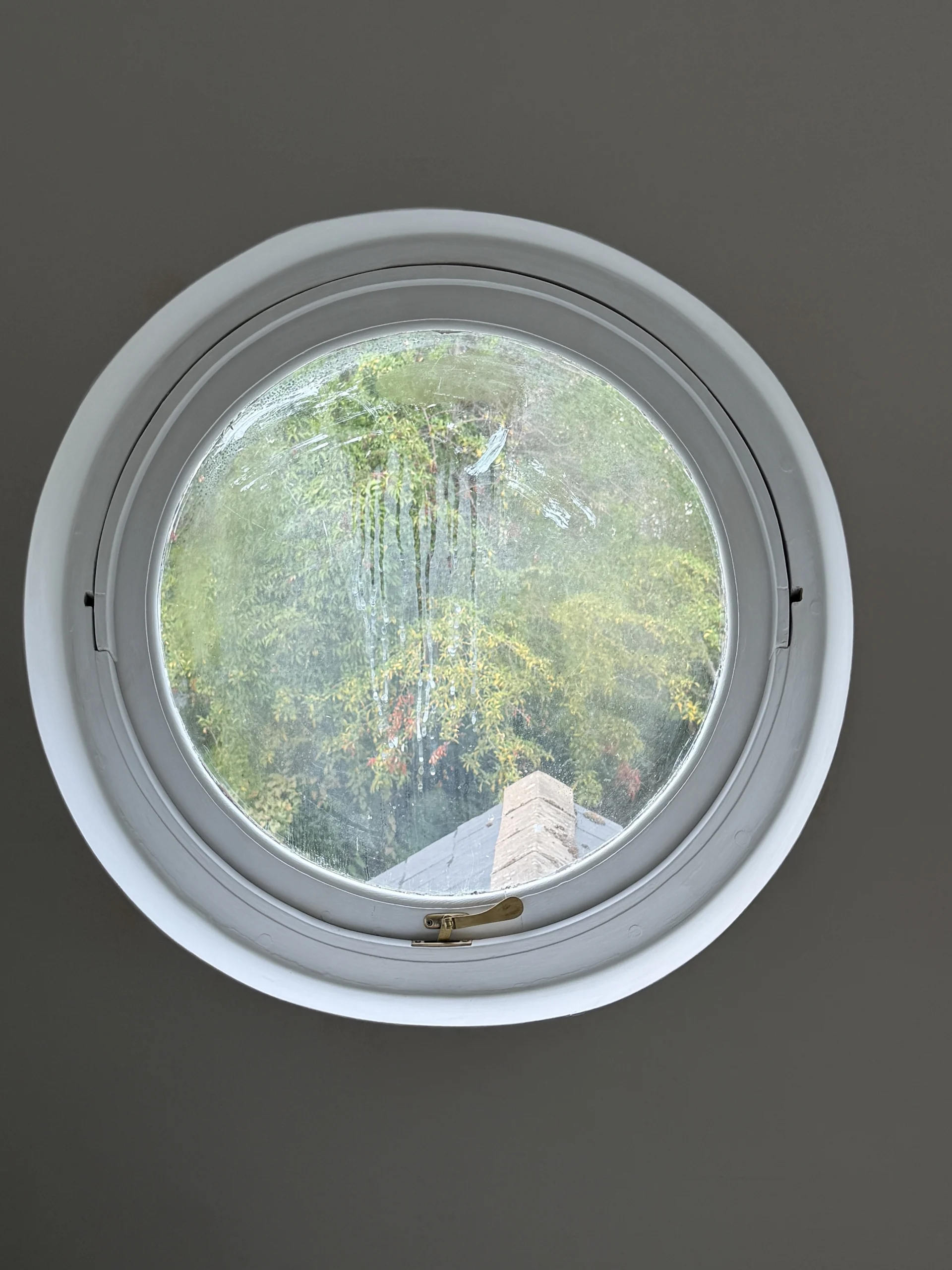
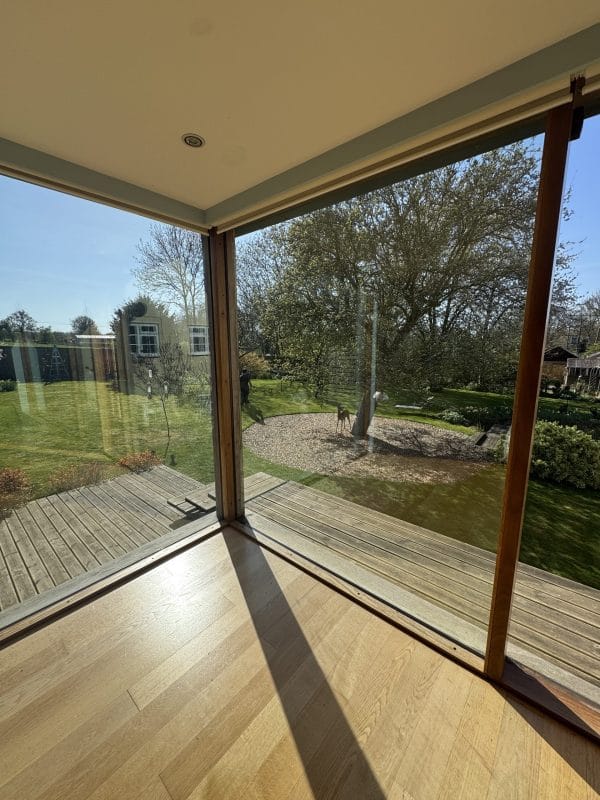
Timber-framed windows are a defining feature of many properties across Cambridgeshire — from Victorian terraces in Cambridge city centre to period farmhouses around Ely and Huntingdon. When the double glazing in these frames starts to fail, homeowners often worry that replacement is complicated, or that they might be forced to abandon beautiful original frames for modern uPVC. In most cases, that concern is unfounded, and you can replace double-glazing in wooden frames. Here’s everything you need to know.
Can You Replace Double-Glazing in Wooden Frames?
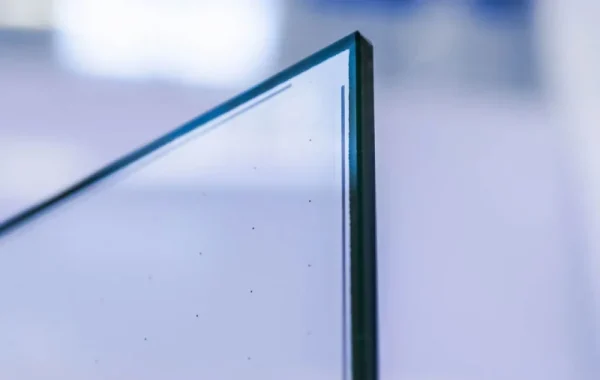
Yes — in the majority of cases, absolutely. Double-glazed units in timber frames can be replaced in the same way as units in uPVC or aluminium frames. The unit is the sealed glass assembly; the frame is a separate component. Provided the frame is structurally sound, a new unit can be installed into the existing frame, extending its life significantly.
This is excellent news for anyone with quality original timber windows. Replacement units are far cheaper than full window replacement, and retaining original timber frames — particularly in older properties — often makes more aesthetic, environmental and financial sense than replacing them with uPVC.
Assessing Your Timber Frames
Before ordering replacement units, the condition of the timber frame needs to be carefully assessed. Unlike uPVC, timber requires active maintenance, and frames that haven’t been properly maintained can develop problems that affect whether unit replacement is viable.
Check for Rot
The most common failure point in timber frames is rot at the bottom corners — where water sits if drainage isn’t working properly. Probe the timber with a screwdriver: sound timber resists; rotten timber gives way. Small areas of rot can often be treated with a two-part epoxy wood filler and the frame preserved. More extensive rot may mean the frame needs to be repaired or replaced before new units are fitted.
Check the Glazing Rebate
The glazing rebate is the channel into which the glass unit sits. Check that it’s clean, intact, and of sufficient depth to accept a modern unit. Old putty should be removed and replaced with appropriate sealant or glazing tape as part of the unit replacement process.
Check for Distortion
Timber frames can swell, warp or distort over time, particularly in older properties. Check that the window opens, closes and locks correctly. Minor distortion can often be planed or adjusted; significant distortion may mean the frame needs repair before re-glazing.
Check Paint and Sealant Condition
Sound paint on a timber frame isn’t just cosmetic — it’s the primary moisture barrier. Frames with badly deteriorated or absent paint are more vulnerable to rot and moisture damage. Re-glazing is a good opportunity to repaint and re-seal the frame fully.
The Process to Replace Double-Glazing in Wooden Frames
The process of replace double-glazing in wooden frames is broadly similar to uPVC, with a few differences:
- Timber frames typically use either glazing beads (modern style) or putty (traditional style) to retain the unit
- Putty-glazed timber windows require the old putty to be carefully removed — this is more time-consuming than unclipping uPVC beads
- New units in timber frames should be bedded on glazing tape or setting blocks to ensure correct positioning and prevent direct glass-to-wood contact
- The perimeter should be sealed with a suitable flexible sealant rather than linseed putty for most modern replacement units
- If the original window used putty, a glazing bead system can often be retrofitted for easier future maintenance
What About Listed Buildings and Conservation Areas?
Many of the most attractive timber-framed properties in Cambridge, Ely and the surrounding villages are either listed or sit in conservation areas. This can affect what type of replacement glazing is permissible.
In most conservation areas, replacing like-for-like (same glass type, same appearance) is acceptable without special permission. However, fitting noticeably different glazing — particularly units with thick spacer bars visible at the edge — can sometimes require listed building consent or conservation area approval.
We are experienced in working with properties in sensitive locations across Cambridgeshire. We can advise on appropriate specifications before any work begins. We also offer single glazing replacement, secondary glazing and vacuum glazing, as these options may be more suitable.
Is It Better to Replace Timber Frames or Just the Units?
This question comes down to the condition of the frames. Quality timber frames in good condition, properly maintained, can easily last 50–100 years. Replacing sound original timber frames with uPVC has significant disadvantages: loss of character, higher embodied carbon, and no real performance advantage for a frame that’s functioning correctly.
We would always recommend replace double-glazing in wooden frames, if possible, assuming that the frames are sound. If the frames are beyond economic repair, we can recommend where to purchase timber replacement options or sympathetic alternatives — we don’t push uPVC as the automatic answer.
How to Get Started- Replace Double-Glazing in Wooden Frames
If you have timber-framed windows in need of re-glazing, the best first step is an assessment. We’ll check the frame condition, measure the units, and give you an honest recommendation and a clear quote based on your measurements and images sent, Following this we will do an on site survey to confirm suitability and confirm the no obligation quote. We cover Cambridge, Newmarket, Ely and Huntingdon, and we have extensive experience with traditional properties across the region.
Need a replacement double-glazing in wooden frames in Cambridge, Newmarket, Ely or Huntingdon? Clearglass is a trusted local supplier, offering fast, reliable supply and fitting of replacement double glazed units across Cambridgeshire. Contact us via our handy web form or call us today for a free, no-obligation quote.