Glass splashbacks are an excellent choice for many kitchens — but they’re not perfect. Understanding the drawbacks honestly helps you make a confident, informed decision rather than discovering surprises after installation. Here’s a thorough look at the genuine limitations, alongside the context that helps you weigh them up fairly.
1. Higher Upfront Cost Than Basic Tiles
The most straightforward disadvantage of glass splashbacks is the upfront cost. When compared directly to basic ceramic tiles, glass will almost always cost more — both for the material itself and for the manufacturing process involved in producing a custom-cut, back-painted, toughened glass panel.
Basic ceramic tiles can be purchased from DIY retailers for a few pounds per square metre, and a competent DIYer can install a simple tiled splashback for well under £100 in materials. A glass splashback for the same area — toughened, back-painted in your chosen colour, cut to your exact dimensions including any socket or switch cut-outs — will typically start from £200 and can run to £600 or more for a large or complex panel, with professional installation on top.
That said, the cost gap narrows considerably once you move beyond the most basic tile options. Premium large-format porcelain tiles, handmade ceramic tiles, or natural stone tiles can cost as much per square metre as a plain glass splashback — and still require grouting, maintenance, and eventual re-grouting that glass doesn’t. When you factor in the full lifetime cost, including maintenance and longevity, glass often compares more favourably than the upfront figures suggest.
The cost of a glass splashback is also partly a function of customisation. Unlike standard tiles, every glass panel is made to your specific measurements, your chosen colour, and your exact cut-out positions. That level of bespoke manufacturing carries an inherent cost — one that delivers a product that fits your kitchen perfectly rather than one adjusted to fit a standard format.
2. Fingerprints, Smears, and Water Marks on Glass Splashbacks
Glass surfaces — particularly in darker colours, very light colours, and high-gloss finishes — show fingerprints, water marks, and grease splashes more readily than a textured tile surface. In an active kitchen where surfaces are regularly touched, this can mean the splashback looks less pristine between cleans than a matte or textured alternative.
This is a real and frequently cited frustration, and it’s worth being honest about rather than dismissing. If you cook frequently, have young children who touch everything at kitchen height, or simply find yourself bothered by visible marks on reflective surfaces, it’s worth factoring into your decision.
However, the important counterpoint is that glass is extremely easy to clean. Wiping a glass splashback takes seconds — a damp microfibre cloth removes the vast majority of fingerprints and grease splashes with minimal effort, leaving a clear, streak-free surface. Compare this to a tiled splashback, where grout lines trap grease and require regular scrubbing, and the “hard to keep clean” perception of glass starts to look less convincing in practice.
For homeowners particularly sensitive to fingerprint visibility, anti-fingerprint coatings are now available on glass splashbacks. These hydrophobic nano-coatings cause water and oils to bead rather than spread across the surface, significantly reducing the appearance of marks between cleaning. If this is a key concern for you, ask specifically about anti-fingerprint glass options when you order.
3. Full Panel Replacement if the Glass Is Damaged
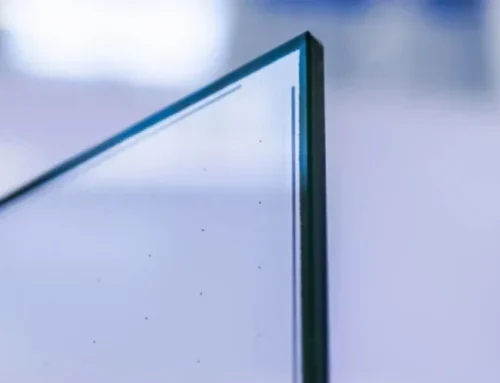
Unlike tiles — where a single cracked or chipped tile can theoretically be replaced individually — a glass splashback is a single continuous panel. If it’s damaged beyond cosmetic marks, the entire panel needs to be replaced. There’s no option to patch or repair a section of a toughened glass panel.
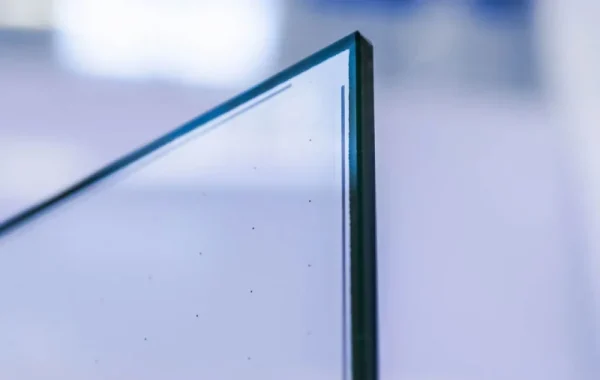
This sounds alarming, but it’s worth putting the risk in perspective. Kitchen glass splashbacks are manufactured from toughened (tempered) safety glass, which is 4–5 times stronger than standard glass. The everyday activities of kitchen life are well within what toughened glass handles without concern. Breakage in normal domestic use is genuinely uncommon.
The practical implication is worth acknowledging: if a panel does need replacing, it must be remade to your exact specifications, which takes time and cost. Keeping a record of your panel dimensions, colour reference, and cut-out positions after installation makes any future replacement significantly simpler.
4. Requires Precise Measurement and Professional Specification
Glass splashbacks are manufactured to exact specifications — and because the glass is toughened after it’s cut and drilled, nothing can be adjusted once it leaves the factory. If measurements are wrong, or if socket and switch cut-out positions are incorrectly specified, the entire panel must be remade. There is no on-site correction possible.
This places considerable importance on getting the specification right before ordering. Every dimension must be accurate. Every electrical cut-out must be positioned correctly relative to the back boxes your electrician will install. The glass thickness, colour, and edge finish all need to be confirmed in advance. It’s a more demanding specification process than simply buying tiles and cutting them to fit on-site.
This is precisely why using a professional supply-and-fit service is always the recommended approach for glass splashbacks. An experienced installer carries out a site survey, measures precisely, coordinates electrical positions with your electrician, and takes responsibility for the specification. The cost of professional measurement is very small compared to the cost of remaking a panel due to an error — and for most homeowners, eliminating that risk entirely is well worth it.
5. Glass Splashbacks are Not Well Suited to DIY Installation
Even if the specification is perfect, installation of a glass splashback is more demanding than most homeowners expect. Toughened glass panels are heavy — a standard kitchen panel can weigh 10–20kg — and must be handled vertically throughout. The edges of glass panels are vulnerable to impact during handling, and a knocked edge on a toughened panel can cause it to shatter completely, destroying an expensive custom-made product.
The adhesive application requires specific products and technique. The silicone perimeter seal needs to be applied neatly and consistently. And throughout the process, a large, fragile, expensive panel must be accurately positioned and held while the adhesive sets. These are tasks that require experience, appropriate tools (suction cups, proper edge protection), and ideally two people working together.
DIY installation errors — wrong adhesive, poor positioning, edge damage — can be costly. The combination of high material value and the unforgiving nature of toughened glass makes professional installation the strongly recommended approach for almost all circumstances.
6. Less Suited to Traditional and Rustic Kitchen Styles
Glass has an inherently contemporary, sleek aesthetic. The clean, reflective surface and precise modern lines that make glass splashbacks so effective in contemporary kitchens can feel incongruous in kitchens designed around a different visual language — rustic farmhouse styles, period properties with traditional cabinetry, or eclectic vintage-inspired designs.
A flat, glossy back-painted panel can look out of place behind shaker-style kitchen units in aged oak, or in a kitchen with exposed brick walls and traditional open shelving. The material’s modernity is one of its strengths in the right context, but that same quality can jar in kitchens that are deliberately avoiding a contemporary feel.
That said, this limitation is less absolute than it might appear. The range of options available from specialist glass suppliers now includes products that work beautifully in more traditional settings. Antique mirror splashbacks — with their aged, mottled reflective surface — complement period kitchens and traditional interiors in a way that plain glass never could. Image-printed glass splashbacks can feature any artwork, pattern, or image — including traditional motifs, botanical prints, and hand-painted style artwork that fits period aesthetics perfectly. For most traditional kitchens, there is a glass splashback option that works well; it simply requires more thoughtful selection than choosing a standard plain colour.
Overall Verdict on Glass Splashbacks
The disadvantages of glass splashbacks are real, but none of them are without context or mitigation. Higher cost compares more favourably over the product’s lifetime. Fingerprints wipe away in seconds. Breakage is uncommon with quality toughened glass. Measurement precision and professional installation eliminate the specification and handling risks entirely. And for traditional kitchens, the right glass product exists if you look beyond plain back-painted panels.
For most homeowners, the genuine benefits of glass — the hygienic, seamless surface, the ease of cleaning, the contemporary appearance, the wide range of colour and print options — outweigh these limitations comfortably. The key is going in with realistic expectations and using a supplier and installer who can guide you through the decisions that make the difference between a splashback you love for years and one that causes problems.
Get Your Free, No-Obligation Quote for your Glass Splashbacks
Speak to the Clear Glass team today — the more detail you can share about your project, the more accurate and useful their guidance will be.
Mon–Fri 7:30am–4:30pm · Unit M Broad Lane Industrial Estate, Cottenham, Cambridge CB24 8SW
For homeowners in Cambridge, Newmarket, Ely or Huntingdon, working with a trusted local specialist like Clearglass (Cambridge) Ltd ensures the job is done correctly and built to last.