What Is Vacuum Glazing — And Is It Worth It for Your Home?
We get asked about vacuum glazing a lot. Homeowners in Cambridge and surrounding areas have started hearing the term — often alongside the brand name Fineo — and they’re not quite sure what to make of it. Is it a gimmick? Is it genuinely better than triple glazing? And why haven’t they heard of it before? What is Vacuum Glazing?
The honest answer is that it’s one of the most impressive things to happen to window technology in decades. But it’s also not the right solution for every home. Let me walk you through how it actually works, what the numbers mean in practice, and where it makes a real difference.
Why standard double glazing has a ceiling
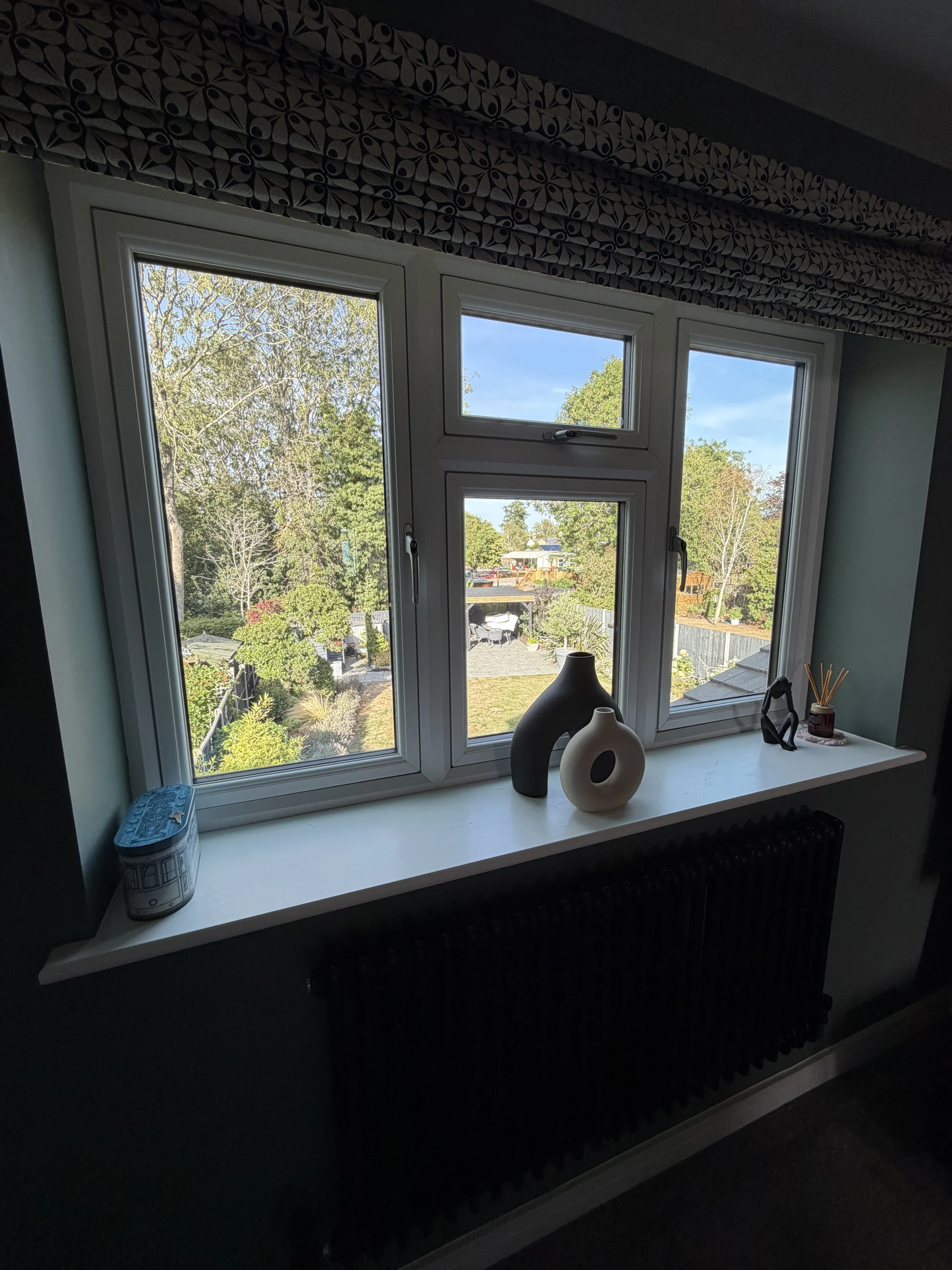
Most homes in the UK now have double glazing, and it’s a genuine improvement over single-pane glass. But if you’ve ever stood next to a double-glazed window on a cold January morning and still felt a chill, you’ll know it’s not perfect.
The reason is physics. A conventional double-glazed unit works by trapping a layer of gas — usually argon — between two panes. That gas slows heat transfer. But gas molecules still move. Warm ones rise, cool ones fall, and heat gradually works its way across the gap. This is convection, and no amount of argon fill eliminates it entirely.
Modern double glazing with a Low-E coating and argon fill achieves a centre-pane U-value of around 1.0–1.4 W/m²K. (U-value is the measure of heat loss — lower is better.) That’s a massive improvement on single glazing, which sits at around 5.8 W/m²K, but there’s still significant heat escaping through the glass.
Triple glazing adds a third pane and gets you down to around 0.5–0.7 W/m²K. Better — but it’s also heavy, thick (typically 36–44mm), and expensive. And even triple glazing is still fighting a gas-based battle against convection.
The vacuum approach: removing the problem entirely
Vacuum glazing takes a completely different approach. Rather than filling the gap with an insulating gas, it removes the gas altogether.
A vacuum cannot conduct heat. It cannot convect heat. The only way heat can travel through a vacuum is by radiation — and a Low-E coating on the glass surfaces addresses that. The result, in theory, is near-perfect insulation in a very thin unit.
In practice, Fineo vacuum glazing achieves a centre-pane U-value of approximately 0.4 W/m²K. That’s better than the best triple glazing on the market, in a unit that’s roughly 8mm thick — similar in profile to a single pane of laminated safety glass.
How the unit is actually built
One thing people always ask about: if there’s nothing between the panes, what stops them from being crushed together by atmospheric pressure?
The answer is an array of tiny support pillars — less than 0.5mm in diameter, spaced around 20–25mm apart across the surface of the glass. They’re invisible to the naked eye under normal conditions. You might faintly detect them if you look at the glass with light raking across it at a very low angle, but in everyday use, the glass looks completely clear.
The vacuum itself is held at around 0.1 Pascal — roughly one millionth of normal atmospheric pressure. At that pressure, the remaining gas molecules are so sparse they effectively can’t transfer heat at all.
The full Vacuum Glazing unit — two 4mm panes with Low-E coating, sealed perimeter, support pillars — comes in at around 8.3mm total thickness.
What this means for Cambridgeshire homes
The performance figures are impressive, but where vacuum glazing really earns its place is in situations where conventional alternatives simply don’t work.
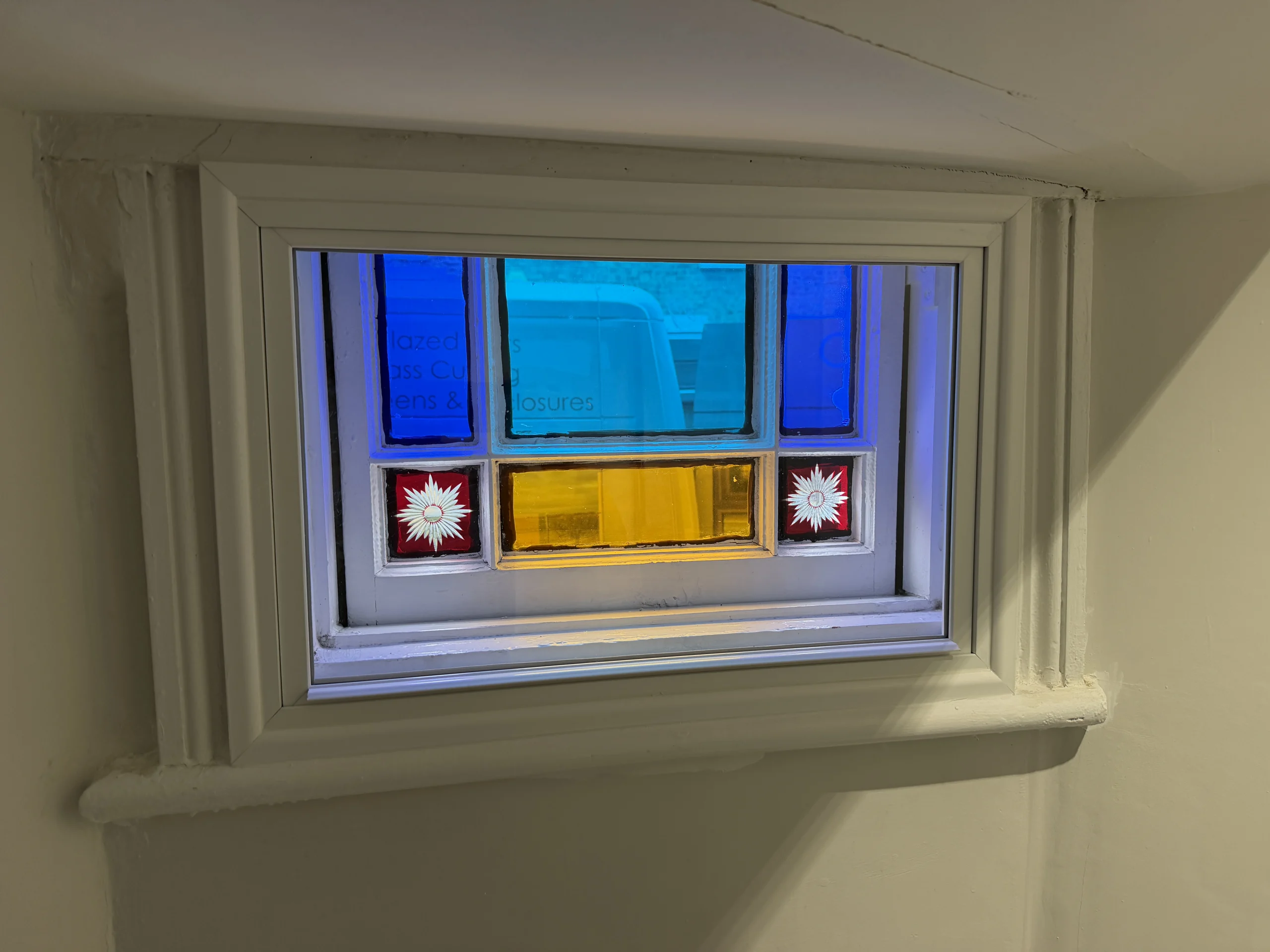
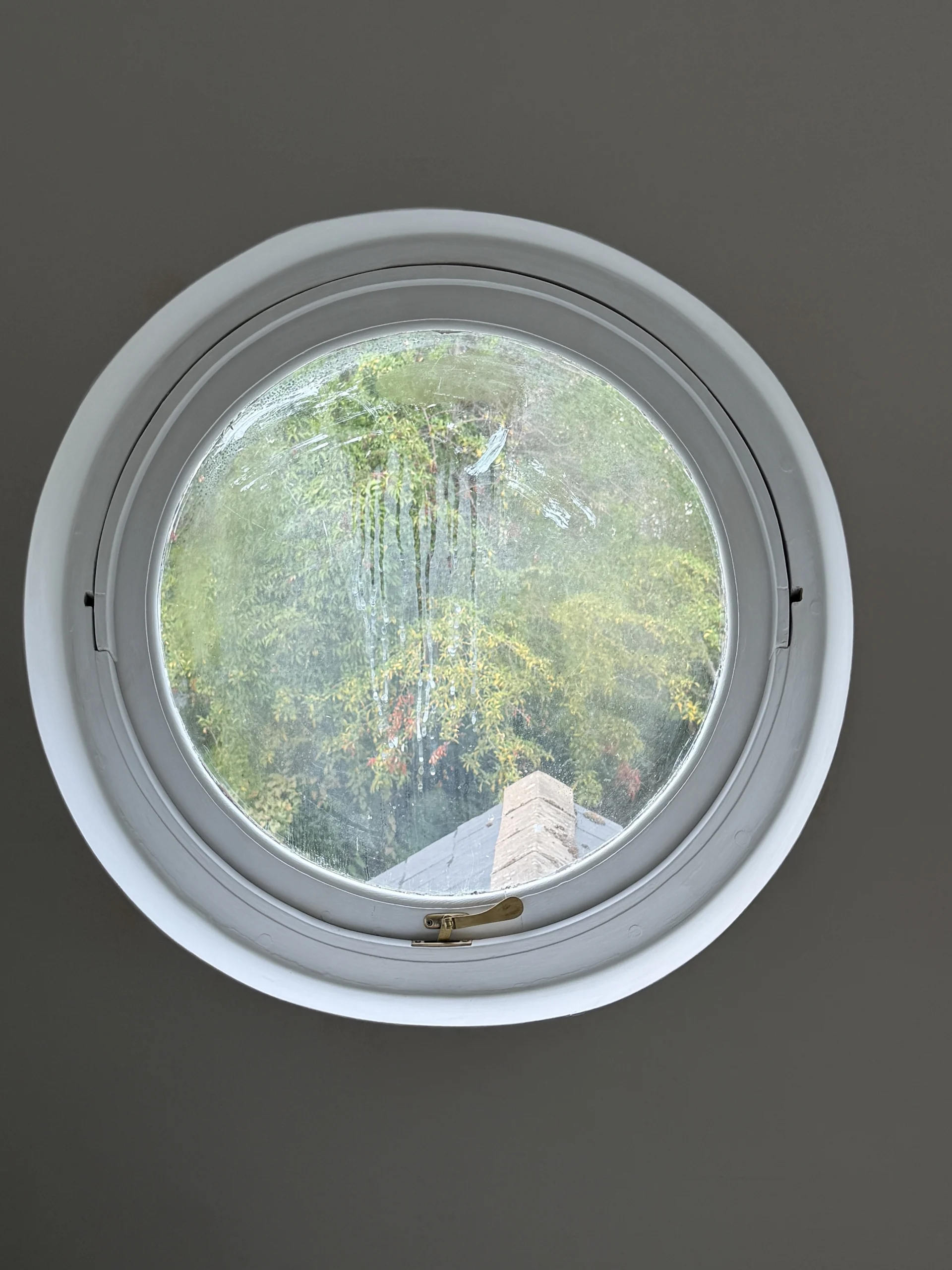
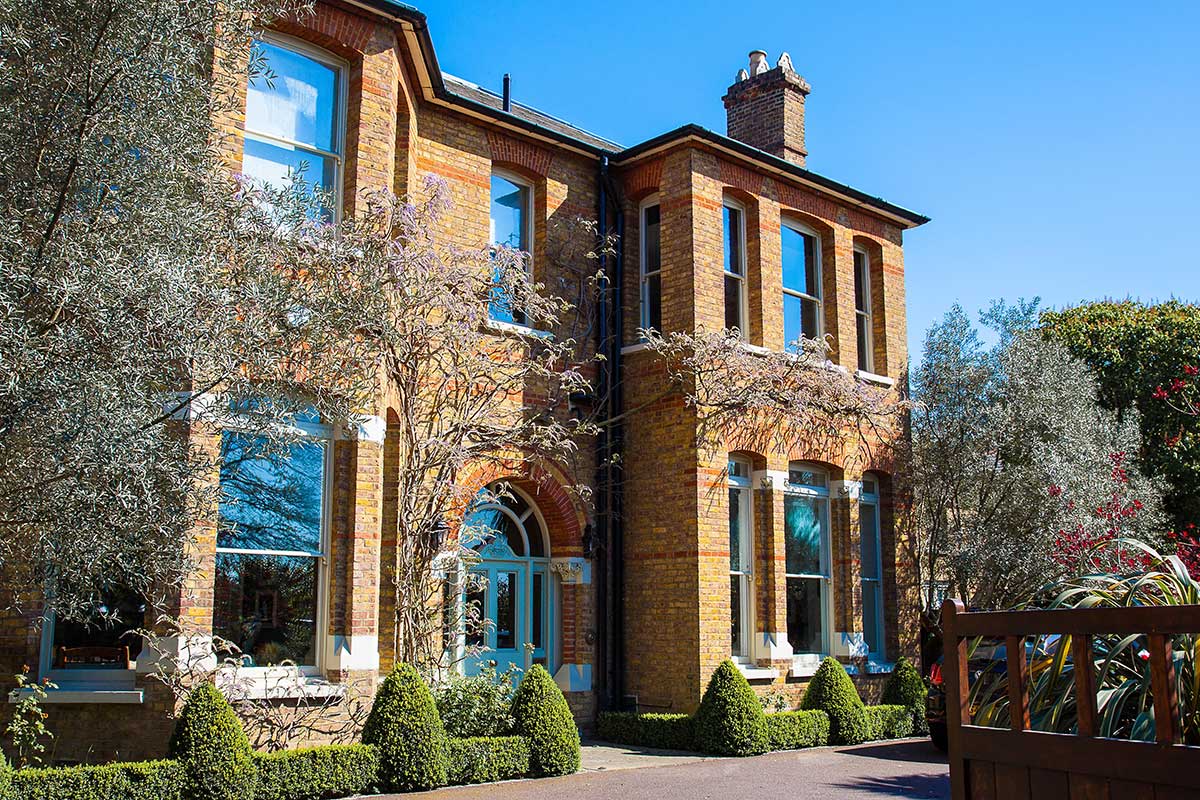
Across Cambridgeshire — in Cambridge’s older terraces, the historic villages around Ely, listed buildings in Newmarket — there are thousands of homes with original timber window frames that were built for single glazing. Trying to fit 36mm triple glazing into those frames means either butchering the joinery or leaving the windows single-glazed. Neither is a good outcome.
Fineo’s 8mm profile fits directly into original single-glazed timber frames. The frame doesn’t need to be modified. The character of the window is preserved. And the thermal performance jumps from single-glazing’s 5.8 W/m²K to vacuum glazing’s 0.4 W/m²K. That’s a transformation, not an incremental improvement.
For new builds and renovations where thermal performance is a priority, vacuum glazing also delivers whole-window U-values of around 0.7 W/m²K (including the frame) — performance that meets or exceeds Passivhaus-adjacent standards.
Is Vacuum Glazing right for your property?
Vacuum glazing isn’t for everyone. If your home already has modern, well-fitted double glazing and you’re not in a conservation area, the cost premium over upgrading to high-spec double glazing may not pay back quickly enough to make sense. But if you’re dealing with original frames, a listed building, or you simply want the best thermal performance available without compromise, it’s genuinely hard to beat.
Clearglass is a trusted local company, we supply and install Fineo vacuum glazing across Cambridge, Newmarket, Ely and Huntingdon. If you’d like to understand whether Fineo is the right solution for your home — without any sales pressure — get in touchContact for a free consultation.