
If you’re asking, “Is 20-year-old double-glazing worth replacing?” you’re not alone. Many homeowners with windows installed in the early 2000s wonder whether replacement is necessary or whether their existing windows still have years of life left.
How Good Was Double Glazing in the Early 2000s?
Double glazing installed between 2003 and 2005 was a significant improvement over the single glazing it replaced. However, glazing technology has advanced considerably over the past two decades.
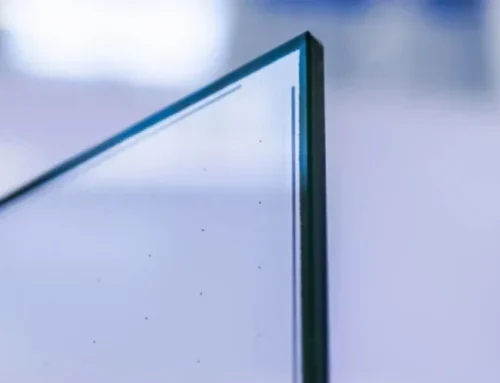
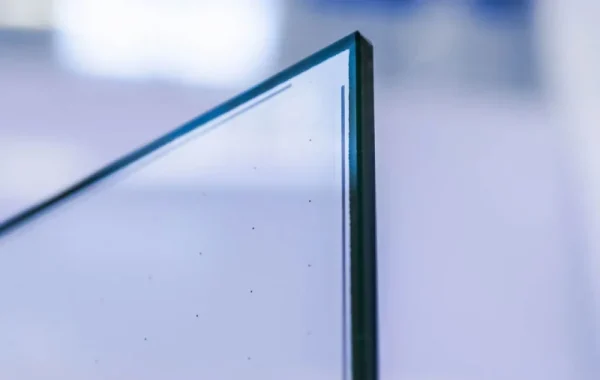
Most windows fitted during this period used a standard 4/12/4 or 4/16/4 sealed unit, meaning there was a 12mm or 16mm gap between the panes of glass. Many of these units were filled with air rather than argon gas and often lacked modern Low-Emissivity (Low-E) glass coatings.
Today’s A-rated and A++ rated double glazing combines Low-E glass with argon gas-filled units, providing significantly better thermal performance. In many cases, modern units can be up to 40–50% more efficient than older air-filled glazing, helping to reduce heat loss and improve comfort throughout the home.
Signs Your Double Glazing May Need Attention
Condensation Between the Glass Panes
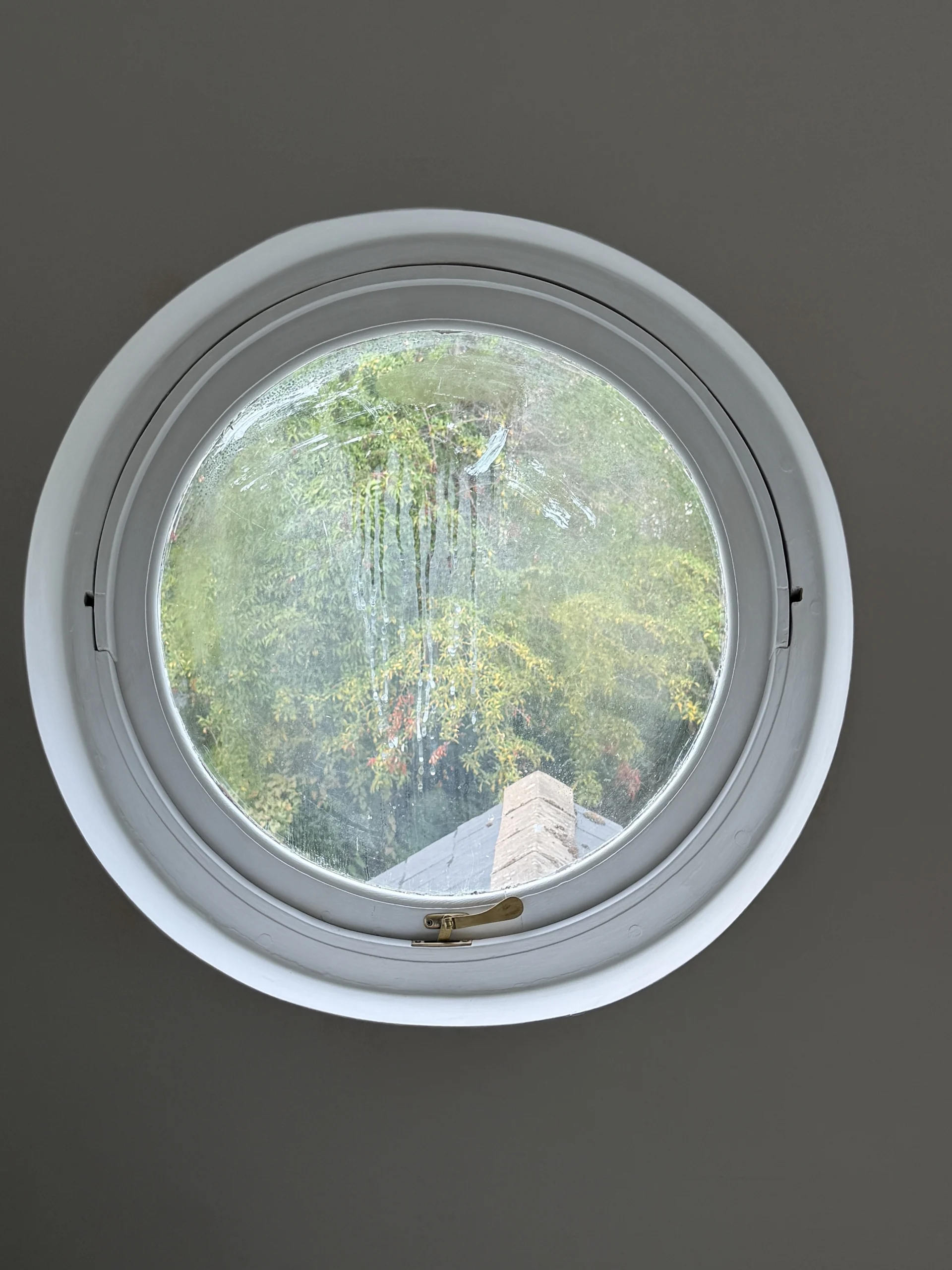
If you notice misting or condensation trapped inside the sealed unit, this is a clear sign that the seal has failed. Once the seal breaks, insulating gas escapes and moisture enters the cavity between the panes.
Unfortunately, a failed sealed unit cannot be repaired from the outside and will usually require replacement.
Draughts Around the Window
Draughts can indicate different issues depending on where they are coming from.
- Draughts around the glass itself may point to a failed glazing seal or deteriorated glazing gasket.
- Draughts between the frame and the wall are often related to installation issues or ageing sealants around the frame.
Identifying the source of the draught is important, as the solution may range from a simple repair to replacing the glass unit.
Windows That Stick or Don’t Close Properly
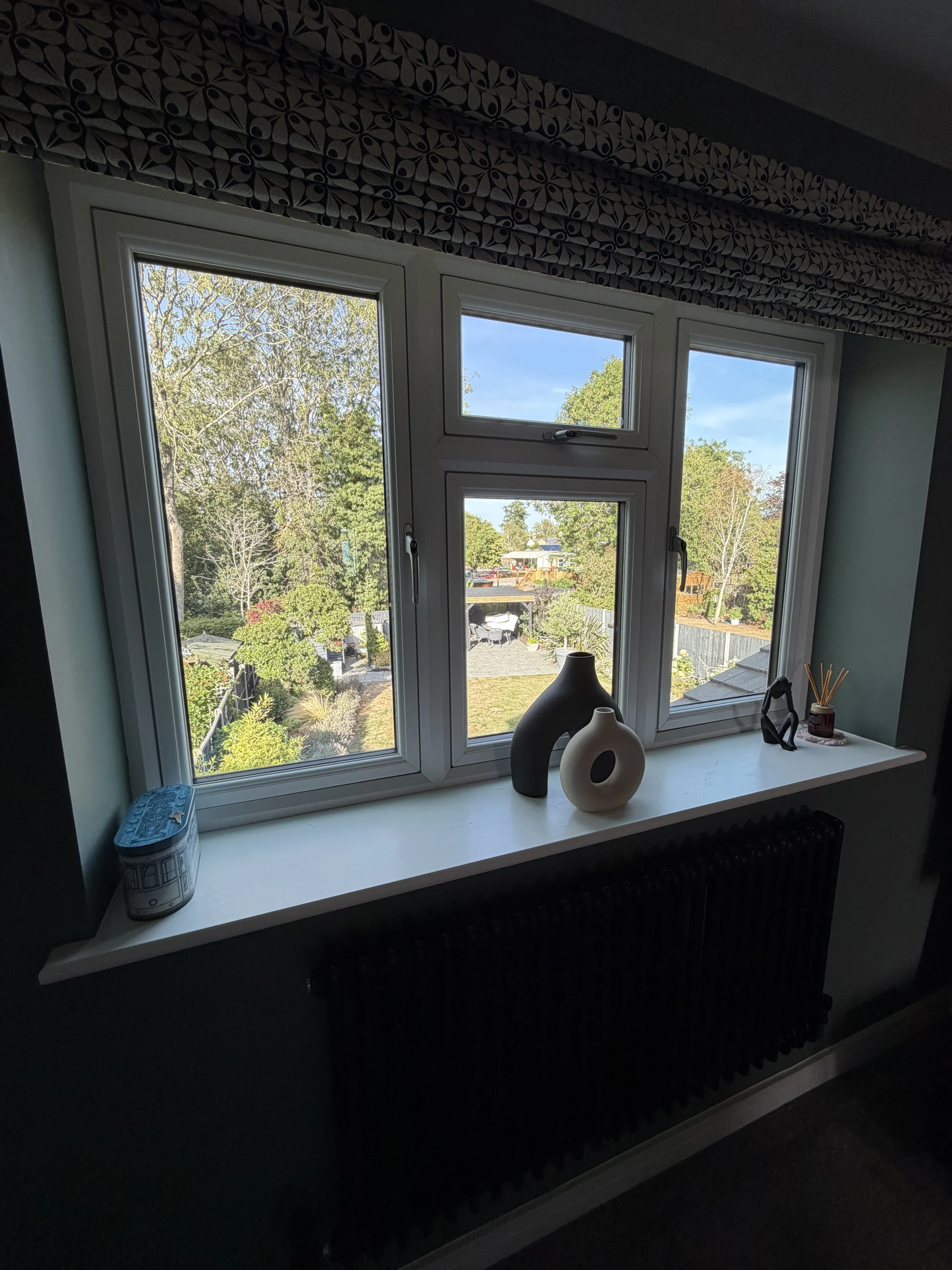
Over time, uPVC frames expand and contract with changing temperatures. South-facing windows often experience the greatest movement due to prolonged sun exposure.
If handles become difficult to operate, locks don’t engage properly, or windows catch on the frame, adjustment may be required. In some cases, significant frame distortion may mean replacement is the best option.
Deteriorating Window Frames
For uPVC windows, watch for:
- Cracking
- Chalking (a white powdery residue)
- Severe discolouration
- Structural damage
For timber windows, check carefully around the lower corners and glazing putty where rot commonly develops first.
While cosmetic ageing is often harmless, structural deterioration should not be ignored.
Rising Energy Bills
Older glazing may not be the sole reason for high heating costs, but it can certainly contribute.
If your home feels colder than it should, or your heating bills seem unusually high, ageing double glazing is worth investigating alongside loft insulation, cavity wall insulation and heating system efficiency.
Do You Need New Windows or Just New Glass?
One of the biggest misconceptions is that failed double glazing automatically means replacing the entire window.
In many cases, this simply isn’t necessary.
Option 1: Replace the Glass Units Only
If the frames remain structurally sound, replacing just the sealed glass units is often the most cost-effective solution.
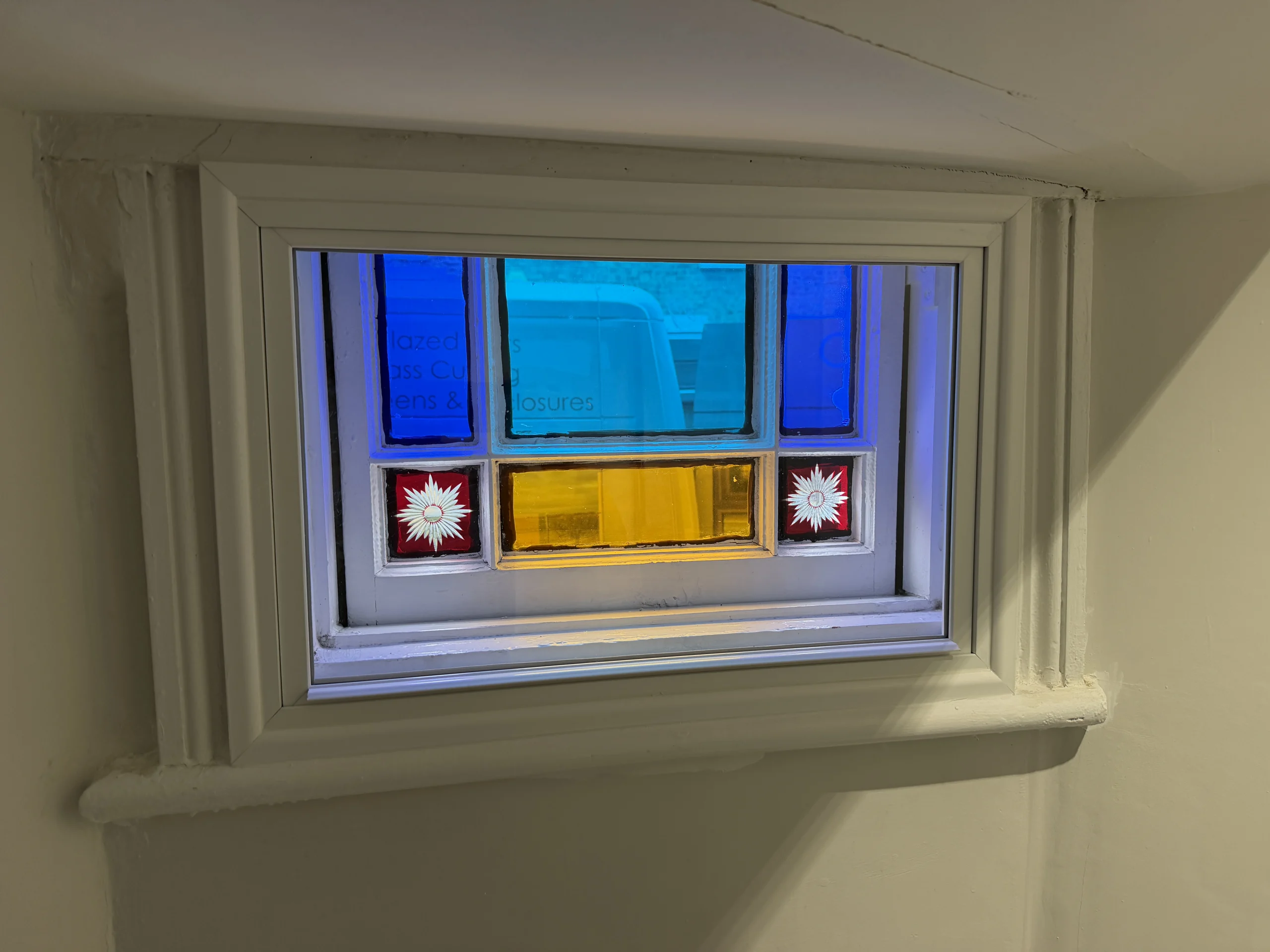
New energy-efficient units can be fitted into existing uPVC, aluminium or timber frames, delivering the benefits of modern Low-E and argon-filled glass without the expense of complete window replacement.
For many homeowners, this provides the best balance of performance, appearance and value.
Option 2: Full Window Replacement
Full replacement may be the right choice if:
- Frames are damaged or deteriorating
- Security hardware is outdated
- You want to change the window style
- Ventilation improvements are required
- The windows are no longer operating reliably
Although it represents a larger investment, replacing both frames and glazing can transform the appearance and performance of a property.
Option 3: Maintain and Monitor
Not every 20-year-old window needs immediate replacement.
If the seals remain intact, the frames are in good condition and the windows operate correctly, regular maintenance may be all that’s required.
Simple tasks such as cleaning drainage channels, lubricating hinges and locks, and replacing worn handles can help extend the lifespan of your windows for several more years.
Is Replacing Older Double Glazing Worth the Cost?
The answer depends on the condition of your existing windows and the amount of heat they are losing.
With energy costs remaining significantly higher than they were a decade ago, upgrading failed or inefficient glass units often provides a quicker return on investment than many homeowners expect.
Modern glazing improves thermal efficiency, reduces draughts and can make your home noticeably more comfortable during the winter months.
Frequently asked Questions
How long does double glazing last?
Most double glazing lasts between 20 and 35 years, depending on the quality of the installation, frame material and maintenance.
Should I replace 20-year-old double glazing?
If you have failed seals, condensation between panes, draughts or poor thermal performance, replacing the glass units or windows can improve energy efficiency and comfort.
Can I replace the glass without replacing the window frames?
Yes. If the frames are in good condition, replacing just the sealed glass units is often the most cost-effective solution.
Is replacing old double glazing worth it?
Modern Low-E, argon-filled units are significantly more energy efficient than many double-glazed windows installed 20 years ago, making replacement worthwhile in many cases.
Unsure Whether Your Windows Need Replacing?
The only way to know for certain is to have them assessed.
Clearglass is a trusted local company, we provide honest, no-obligation advice to homeowners across Cambridge, Newmarket, Ely and Huntingdon. In many cases, replacing the glass units alone can restore performance and save thousands compared with full window replacement.
Simply send us a few photos and rough measurements, or get in touch for a straightforward assessment of your options.
We’ll help you decide whether your windows need repairing, upgrading or simply a little maintenance.