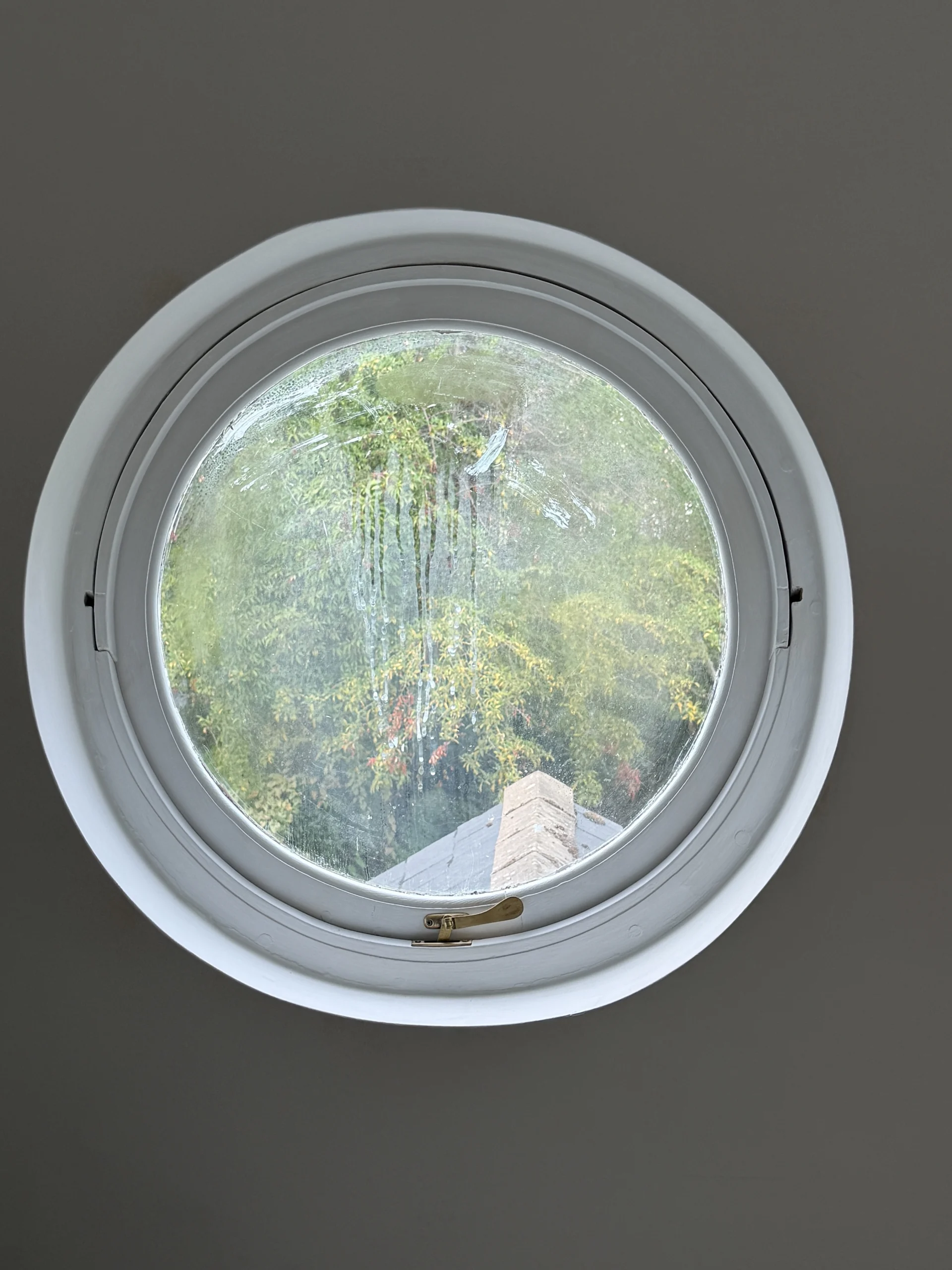
As the mornings turn colder across Cambridgeshire, our phones start ringing with the same question: “Why are my windows wet?” The answer depends on where the condensation is. Water on the inside, on the outside, or trapped between the panes each means something different, and only one of them means your glass needs replacing.
Condensation on the inside of the glass
This is the most common type, and it is usually a ventilation issue rather than a glazing fault. Warm, moist air from cooking, showers, drying clothes and breathing meets the cold glass and condenses.
What helps:
- Open trickle vents and use extractor fans when cooking or showering.
- Avoid drying laundry on radiators in closed rooms.
- Keep a steady, low background heat rather than short bursts.
- Consider upgrading to warmer, energy-efficient glass. A modern low-E unit keeps the inner pane warmer, so less moisture condenses on it.
Condensation on the outside of the glass
Surprisingly, this is often a good sign. On a clear, cold morning, very well-insulated glass keeps heat inside so effectively that the outer pane stays cold and dew forms on it. It clears as the sun warms the glass and needs no action.
Condensation between the panes
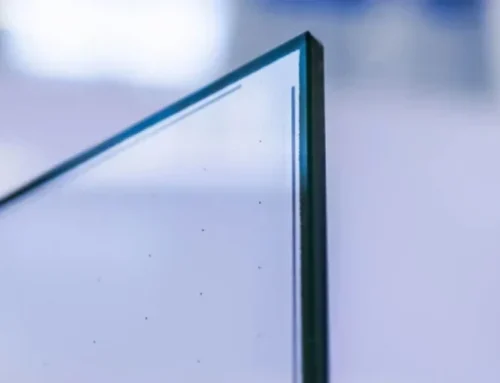
This is the one to act on. A double-glazed unit is two panes sealed around the edge, with a spacer bar containing desiccant to absorb moisture. Over time the seal can break down. Moist air gets in, the desiccant becomes saturated, and you see mist, fog or droplets you cannot wipe away. You may also notice white streaks or residue once it dries.
A failed unit also insulates less well, so the room may feel colder near the window.
Do I need new windows?
In most cases, no. If the frame is sound, we simply remove the failed sealed unit and fit a new one made to the millimetre for your existing frame. Most units are replaced in 30–60 minutes. If a window has several panes, only the misted one needs replacing.
It is also a chance to upgrade: we can fit A-rated, low-E glass even if your original windows never had it, and toughened or laminated glass where safety or security matters.
Why does it happen?
Common causes include age, prolonged sunlight on dark frames, water sitting on the bottom edge of the unit through blocked drainage, and movement in the frame. Units fitted in the 1990s and early 2000s are now reaching the age where seals commonly fail.
FAQs
Can misted double-glazing be repaired rather than replaced? Some companies offer drilling and “demisting”, but replacing the sealed unit restores the insulating gas and the seal properly.
Is condensation between panes dangerous? No, but it reduces insulation and visibility, and it will not clear by itself.
Do you cover my area? We replace misted units across Cambridge, Ely, Huntingdon, Newmarket and the surrounding villages.
We are a trusted, local glass and glazing company- but don’t just take our word for it; visit our Trust Index page to see for yourself. If your windows look foggy between the panes, send us a photo and the approximate size, and we will give you a free, no-obligation quote. Contact us today!