If you’re renovating your kitchen, one of the most common decisions you’ll face is choosing between a glass splashback and traditional tiles. Both options have clear advantages, but they suit different kitchens, budgets, and lifestyles.
At Clearglass, we’ve worked with homeowners across Cambridge, Newmarket, Ely, and Huntingdon, and glass splashback vs Tiles is one of the most frequent questions we get. The right choice depends on how you use your kitchen, how much maintenance you’re willing to do, and the overall look you want to achieve.
What Is a Glass Splashback?
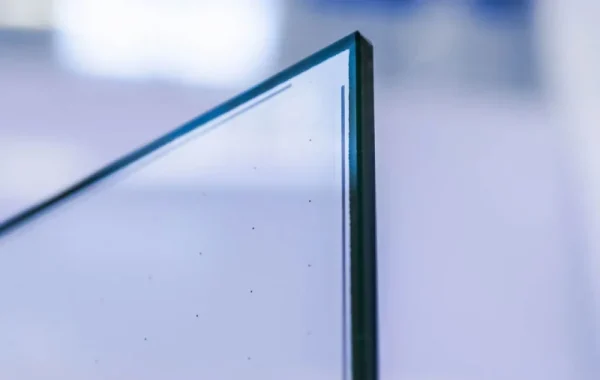
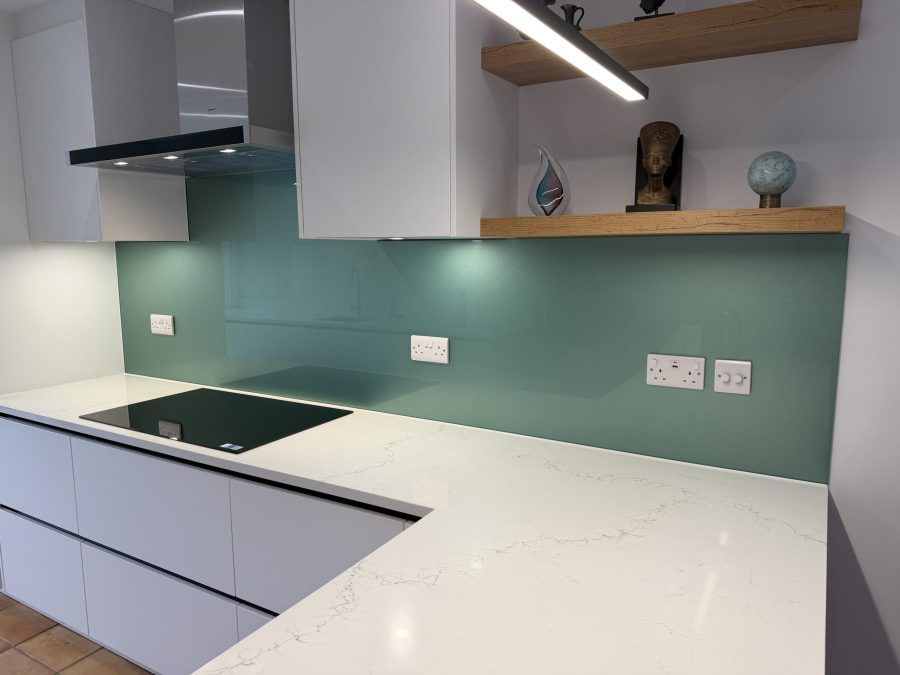
A glass splashback is a single, seamless panel of toughened (tempered) glass installed behind your hob, sink, or worktop. It is cut to size and can include cutouts for sockets and switches.
Glass splashbacks can be:
- Painted in any colour (including many manufacturers paint colours & RAL matches)
- Digitally printed with patterns or images
- Finished in high-gloss or satin
- Mirrored and Antique Mirror options
Because it’s one continuous surface, it creates a sleek, modern look that works particularly well in contemporary kitchens.
What Is a Tile Splashback?
A tile splashback is made up of multiple tiles fixed to the wall with adhesive and finished with grout between each tile.
Tiles come in a wide variety of:
- Materials (ceramic, porcelain, natural stone)
- Shapes (subway, metro, mosaic)
- Finishes (matte, gloss, textured)
This makes them extremely versatile from a design perspective, especially for traditional or rustic kitchens.
Cleaning and Hygiene- glass splashback vs tiles
This is where glass has a clear advantage.
A glass splashback has no grout lines, which means:
- No gaps for grease or bacteria to build up
- No discolouration over time
- Quick wipe-clean maintenance
Tiles, on the other hand, require regular grout cleaning. Over time, grout can:
- Stain
- Crack
- Harbour mould
In busy family kitchens, especially, this can become a constant maintenance task.
Appearance and Style- glass splashback vs tiles
Glass offers a clean, minimal, modern finish. It reflects light, which can make smaller kitchens feel larger and brighter.
Tiles provide more texture and character. They’re ideal if you want:
- A traditional look
- Pattern variation
- Feature walls
The choice here is largely aesthetic, but it should align with the overall kitchen design.
Installation Process
Glass splashbacks require precise measurement before manufacturing. Once made, installation is relatively quick, often completed in a single visit.
Tile installation involves multiple steps:
- Adhesive application
- Tile placement
- Drying time
- Grouting
- Sealing
This makes tiling more time-consuming and potentially disruptive.
Cost Comparison- glass splashback vs tiles
Tiles are generally cheaper upfront, particularly standard ceramic options.
Glass splashbacks:
- Higher initial cost
- Lower maintenance cost over time
Premium tiles (stone, handmade, large format) can actually match or exceed the cost of glass.
Durability
Both options are durable when installed correctly.
Glass:
- Toughened and heat-resistant
- No grout to degrade
- Resistant to staining
Tiles:
- Individual pieces can chip
- Grout can fail over time
- Easier to repair small sections
Which Should You Choose?
Choose glass if:
- You want low maintenance
- You prefer a modern look
- Hygiene is a priority
Choose tiles if:
- You prefer a traditional aesthetic
- You want design flexibility
- You’re working with a tight budget
Final Verdict
For most modern kitchens, glass splashbacks offer better long-term value, easier maintenance, and a cleaner finish. However, tiles remain a strong option for traditional spaces and budget-conscious projects.
Contact us today for a free no obligation quote and to book your survey. Find out more by visiting our Glass splashback page.